
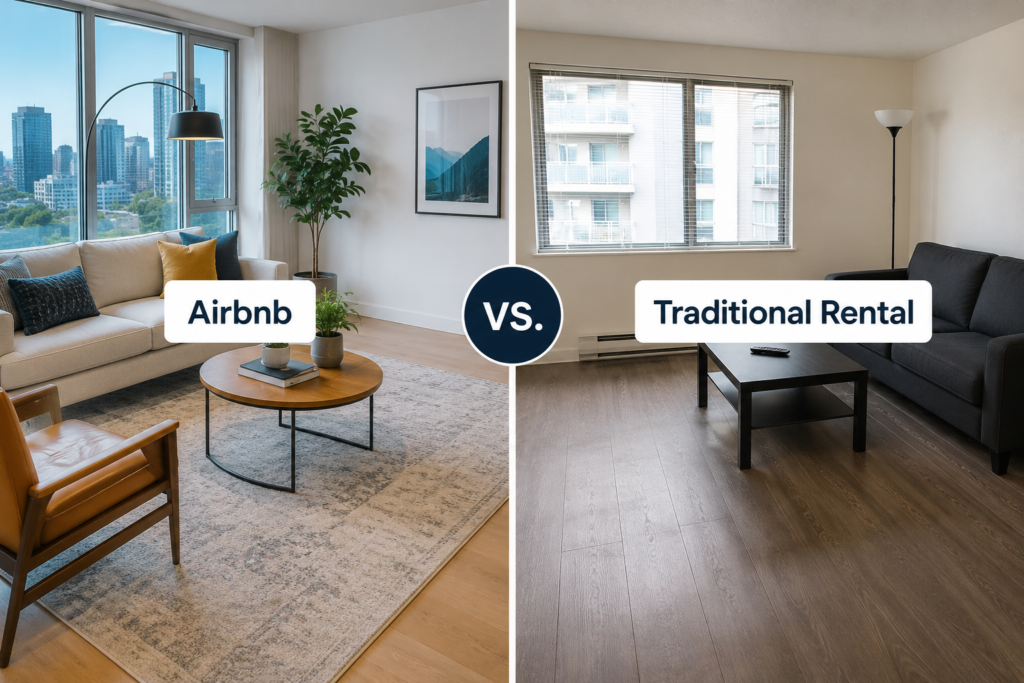
Rental vs Airbnb in Vancouver: Which Option Is Better for Property Owners?
If you own property in Vancouver, one of the biggest questions you may ask is whether a long-term rental or Airbnb will produce better results.
The decision between a traditional rental and Airbnb depends on several factors, including income goals, time commitment, local regulations, property type, guest demand, and management responsibilities.
When comparing rental vs airbnb in Vancouver, there is no single answer that works for every property owner. Some owners prefer the stability of long-term tenants, while others choose Airbnb because of the higher nightly earning potential.
In this guide, we will compare long-term rentals and Airbnb in Vancouver so property owners can better understand the pros, cons, and important factors before making a decision.
Understanding Long-Term Rentals in Vancouver
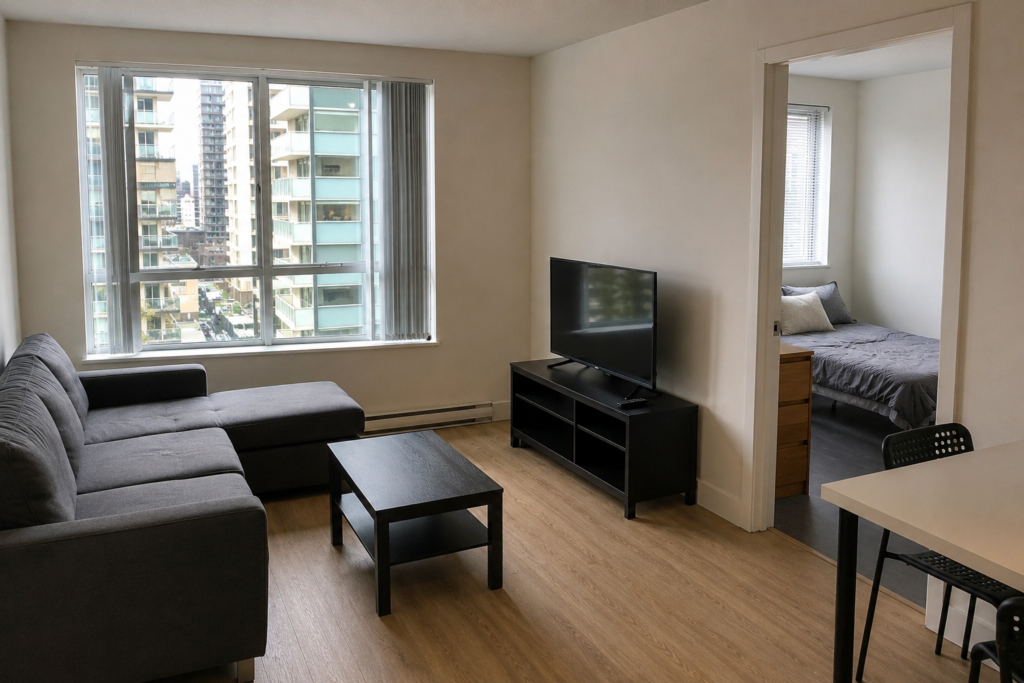
A long-term rental usually means leasing a property to a tenant for several months or years. The tenant pays monthly rent and uses the property as their primary residence.
Long-term rentals are common for:
- Condos
- Basement suites
- Laneway homes
- Townhouses
- Detached homes
For many owners, long-term rentals offer predictable monthly income and less day-to-day management compared to short-term rentals.
Understanding Airbnb and Short-Term Rentals
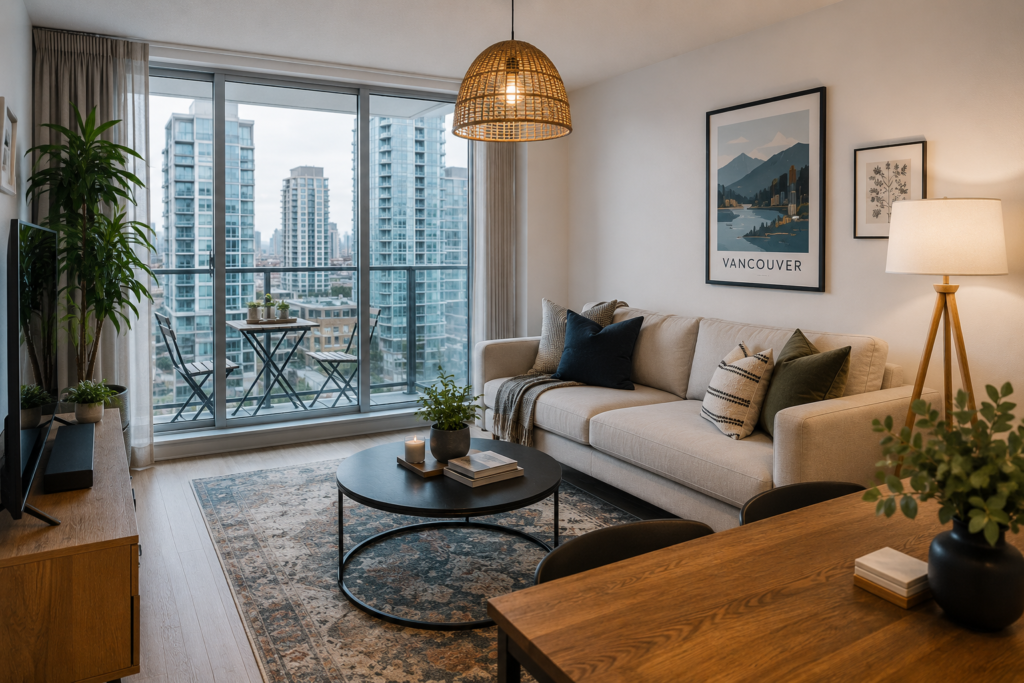
Airbnb allows property owners to rent their property on a short-term basis. Guests may stay for a few nights, a week, or longer depending on the listing and local rules.
Short-term rentals are popular in Vancouver because of tourism, business travel, events, conferences, cruise traffic, and visitors exploring the city.
Unlike long-term rentals, Airbnb requires more active management, including:
- Guest communication
- Cleaning between stays
- Check-ins and check-outs
- Listing updates
- Pricing adjustments
- Guest support
This is why many owners work with Airbnb co hosts or short-term rental management companies.
Rental vs Airbnb in Vancouver: Income Comparison
Airbnb Income Potential
Airbnb properties can sometimes generate higher gross income compared to long-term rentals, especially during busy travel seasons.
Properties in desirable Vancouver areas may perform well because guests often pay higher nightly rates for:
- Downtown access
- Waterfront locations
- Mountain views
- Transit access
- Tourist-friendly neighbourhoods
- Fully furnished stays
However, Airbnb income can fluctuate depending on season, occupancy, regulations, competition, and economic conditions.
Long-Term Rental Income
Long-term rentals usually provide more stable monthly income. Owners know approximately how much rent will be collected each month, making budgeting easier.
While monthly rent may be lower than peak Airbnb earnings, long-term rentals typically involve:
- Fewer turnovers
- Less cleaning
- Less guest communication
- Lower furnishing costs
- Less active management
For owners who prefer predictability, this can be a major advantage.
Management Differences
Airbnb Requires More Active Management
One of the biggest differences between rental vs airbnb in Vancouver is the amount of work involved.
Airbnb management often includes:
- Responding to guest messages
- Coordinating cleaning
- Managing check-ins
- Updating prices
- Handling reviews
- Solving guest issues quickly
Guests expect hotel-like service, which means owners or co hosts must stay organized and responsive.
Long-Term Rentals Require Less Daily Attention
Long-term rentals are generally less demanding after the tenant moves in.
Once the lease is signed, the owner mainly handles:
- Maintenance requests
- Periodic inspections
- Rent collection
- Lease renewals
This makes long-term rentals appealing for owners who want a more passive investment.
Furnishing Costs
Airbnb Properties Need Furnishing
Short-term rentals usually need to be fully furnished and guest-ready. This includes:
- Beds and mattresses
- Sofas and dining furniture
- Kitchen supplies
- Towels and linens
- Decor and lighting
- Smart locks or lockboxes
- Internet and utilities
The upfront setup cost for Airbnb can be significantly higher than a long-term rental.
Long-Term Rentals Often Require Less Setup
Long-term tenants usually bring their own furniture. Owners may only need to provide appliances depending on the property type.
This can reduce startup costs and simplify property management.
Cleaning and Turnovers
Airbnb Requires Frequent Cleaning
Cleanliness is critical for Airbnb success. Properties need professional cleaning between every guest stay.
Turnovers may include:
- Laundry
- Restocking supplies
- Property inspections
- Damage checks
- Preparing guest amenities
Frequent turnovers increase operating costs and require coordination.
Long-Term Rentals Have Fewer Turnovers
Long-term rentals usually only require cleaning when tenants move out. This reduces cleaning costs and daily operational work.
Flexibility for Owners
Airbnb Offers More Flexibility
One advantage of Airbnb is flexibility. Owners can sometimes block dates for personal use or adjust availability based on travel plans or seasonal demand.
This can be useful for:
- Vacation properties
- Secondary suites
- Part-time rentals
- Owners who travel frequently
Long-Term Rentals Offer Less Flexibility
With a long-term lease, tenants have legal occupancy rights for the lease term. Owners cannot simply block off dates or use the property whenever they want.
This makes long-term rentals less flexible for personal use.
Risk Comparison
Airbnb Risks
Short-term rentals can have risks such as:
- Seasonal slow periods
- Guest damage
- Negative reviews
- Regulation changes
- Increased competition
- Vacancy fluctuations
Income can vary month to month depending on occupancy and tourism demand.
Long-Term Rental Risks
Long-term rentals can also have risks, including:
- Difficult tenants
- Late rent payments
- Eviction challenges
- Long vacancy periods
- Limited rent increases
- Property wear over time
Both models have risks, but the risks are different.
Vancouver Regulations and Rules
Before deciding between Airbnb and long-term rentals, property owners should understand local regulations.
Depending on the property and building, owners may need to consider:
- City regulations
- Business licences
- Strata bylaws
- Insurance requirements
- Provincial short-term rental rules
- Parking and occupancy rules
Regulations can change, so property owners should stay informed before operating a short-term rental.
Which Option Makes More Money?
The answer depends on the property.
An Airbnb may generate higher gross income in strong locations with high occupancy, but it also comes with:
- Higher operating costs
- More active management
- Furnishing expenses
- Cleaning costs
- Guest communication
A long-term rental may generate less monthly income, but it usually offers:
- More stability
- Less daily work
- Lower operating costs
- Simpler management
When comparing rental vs airbnb in Vancouver, owners should look at both income and workload before deciding.
Who Should Choose Airbnb?
Airbnb may be a better option if:
- You want higher earning potential
- Your property is in a strong guest area
- You are comfortable with active management
- You want flexible property use
- You can provide hotel-style guest experiences
- You plan to use a co host or management company
Who Should Choose a Long-Term Rental?
A long-term rental may be a better fit if:
- You want stable monthly income
- You prefer less management
- You do not want to furnish the property
- You want lower operating costs
- You prefer long-term tenants
- You want a more passive investment
Can You Combine Both Strategies?
Some Vancouver property owners use a hybrid approach.
For example:
- Airbnb during peak seasons
- Mid-term furnished rentals during slower months
- Long-term rentals for stability
- Airbnb only for secondary suites or vacation periods
The best strategy depends on the property location, building rules, and owner goals.
Final Thoughts
Choosing between rental vs airbnb in Vancouver depends on your income goals, time availability, risk tolerance, and management preferences.
Airbnb can offer strong earning potential and flexibility, but it also requires more active involvement. Long-term rentals provide stability and simpler management, but usually with lower earning potential.
Before making a decision, property owners should carefully compare costs, regulations, management responsibilities, and market demand.
The right option is the one that works best for your property and lifestyle.
Need Help Managing Your Airbnb in Vancouver?

At Urban Vacation Rentals, we help property owners manage short-term rentals with guest communication, pricing support, cleaning coordination, listing optimization, and Airbnb co hosting services.
Whether you are comparing rental vs Airbnb in Vancouver or already operating a short-term rental, our team can help make hosting easier.
Contact Urban Vacation Rentals today to learn more about Airbnb management and co hosting services.